

Website Redesign Cost Breakdown: Unveiling the Hidden Expenses
As technology and consumer habits evolve, businesses have to accept the fact that their website is never truly complete. Website redesign is a way to increase leads, enhance user experience, and promote search visibility. The question is: “How much does such a process cost?”

Content Map
More chaptersA website serves as an essential platform for businesses to showcase their offerings and reinforce their brand identity. When there is a need to learn about a new service, today’s customers prefer the static content on the business website before making purchasing decisions instead of directly contacting third-party vendors.
To promote business activities and attract potential customers, an increasing number of large and small businesses are investing in developing their own websites. A website is considered successful if it has a friendly user interface, fast load speed, valuable content, and other factors. However, the emergence of hundreds of new websites every day has contributed to the high level of tension in the web market, leaving many businesses wondering how to stand out from the crowd and refresh their websites. Many project owners choose to build a new custom website despite the cost burden; some prefer to be involved in a website redesign project, which is a better idea to take advantage of existing platforms.
However, the question is, “Do you really need website redesigns?”, “What are the factors that affect website redesign costs?”, and “How much does it cost to redesign a website?”. That is where this article helps you out.
Perfect Timing to Redesign a Website
There are dozens of reasons why business owners decide to embark on website redesign projects. If you are experiencing almost all of these problems below, get ready for a site redesign as soon as possible.
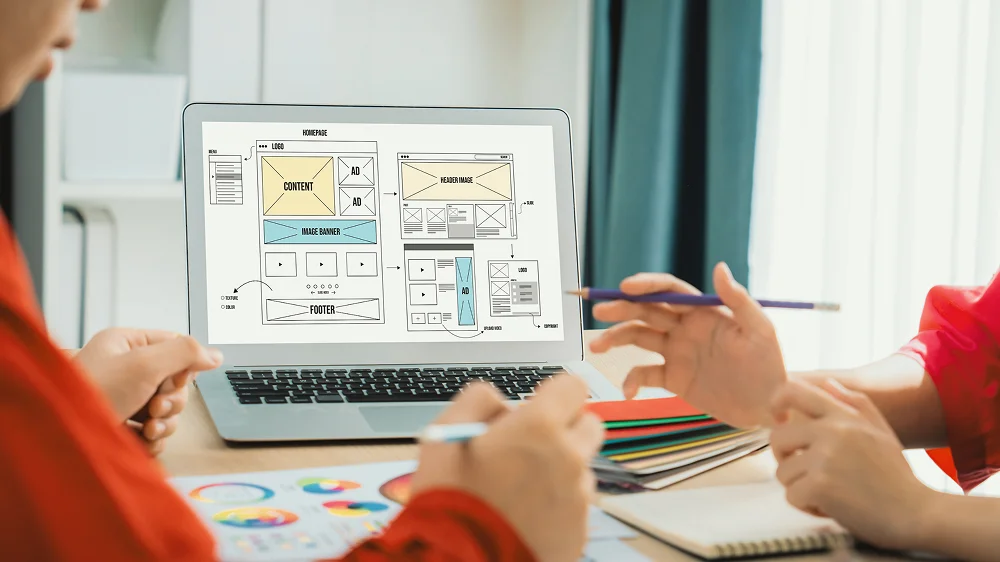
When Your Website Performance Is Slow
The page load speed of any website is an important factor in retaining visitors. Studies show that if a website takes more than a few seconds to load, customers tend to lose patience and leave the site immediately. Imagine a customer who is interested in the products and services you offer. They visit your website with the intention of purchasing products or submitting a form. However, slow loading time is the issue holding them back. This long-lasting situation drives customer psychology from enthusiastic to frustrated, leading to the loss of a large number of potential customers.
Furthermore, page loading speed is also a vital ranking criterion for search engines like Google. Sites with low data processing speeds may receive a lower ranking in search results and reduced organic traffic.
When Your Web Design Is Outdated
Visual perception is one of the first factors that attracts customers when visiting your website. You may provide excellent products and services. However, an outdated website can make you appear unprofessional and hinder user engagement.
Design trends change as time goes by. While the saying “Don’t judge a book by its cover” holds true, customers may assume negatively about the product’s quality if a business sticks to outdated designs and ignores modern design standards and aesthetics.
When Your Website Content Is Poor
How long has it been since you last updated the content on your own website? Similar to design, content also has certain trends that gain traction and resonate with audiences at a given time. For example, there was a time when long-form content had shifted towards short content, as it provided more comprehensive information and detailed insights. To capture the trends of readers and visitors, businesses in any field align their website content strategy accordingly. Failure to follow the industry trends causes businesses to lose many opportunities to develop and expand projects.
In addition, some of the following errors are also counted as poor content, such as thin or shallow content that is uninformative, irrelevant information that is no longer useful, poor grammar and spelling, overuse of keywords, etc. Content, in this case, is no longer a tool to increase organic traffic for your website.
When You Change Your Project Goals and Requirements
Your project goals and requirements may change over time based on various factors and circumstances. The involved market landscape may drive new market trends and customer behavior. Business internal and external factors may contribute to the restructuring and alterations in resources. Rapid technological advancements may open up new innovations. Regular performance evaluations, like ROI software, may reveal gaps and areas needing adjustment.
All of the above reasons require businesses to be prepared and quickly adapt to changing environmental conditions. And it is when your redesigned website comes in. The business’s job is to change the old content on the website so that the visual presence can promote its proper use, which is to reflect the true nature of the product and service.
Redesign Process: How to Improve Your Existing Website?
Depending on the needs of the business at a certain time, the website redesign price and the development type will be different. Regardless of the genre, businesses should know that this will be a very complicated journey, and every wrong decision along the way costs money and time.
Redecoration
This is the process of changing or updating the visual and design aesthetic properties of a website while keeping the existing structure intact. The cost to redesign the visual appearance often comes with a low price due to the minor scope of work. Redecoration only focuses on changing and improving color schemes, graphics, typography, or even overall styling, which gives your website redesign project a fresh and modern look without altering functionalities.
Rewiring
Rewiring refers to a more extensive redesign process, including updating and improving the website’s performance, security, speed, and compatibility with different devices. With the use of the latest technology, the rewiring process may help businesses enhance the website’s functionality and user experience. Website cost redesign at this stage stems from UX design services, additional plugins, and the work of the development team.
Remodeling
Remodeling is a combination of revamping both visual and structural changes. This process may include restructuring the information architecture, simplifying complex features, improving accessibility, and redesigning key pages or templates to align with user needs and business goals. Remodeling results in higher costs but significantly offers more business value after completion.
Rebuilding
If the business needs to redesign the website from scratch, it is recommended to invest in the rebuilding process. Based on the elements available in the existing website, the web designer team worked together to rebirth your website to a completely new look and structure, leading to better customer engagement and lead generation. It may involve extensive planning, prototyping, and development to create a website that aligns with the latest industry standards and business objectives.
Factors that Impact Website Redesign Pricing
Redesigning a website can be a complex, multi-step process with many factors that affect the cost. This section is designed to assist you in identifying unexpected expenses that may be concealed.

Redesign Scope and Complexity
What does it mean by “redesign scope”? Redesign scope refers to the website redesign types listed above, including redecoration, rewiring, remodeling, and rebuilding. Depending on the need to refurbish the existing website, the corresponding cost of website redesign will be different. If the business only requires a simple visual refresh and redecoration, the estimated cost will be minimal, even for startups.
In contrast, the corresponding costs will be quite high for enterprises with higher requirements for the new complicated websites, such as restructuring the entire software product, implementing new functionalities, or integrating complex systems. The reason for the increasing website redesign costs depends on the technologies used and the level of time, effort, and technical expertise.
The table below gives you typical ranges. Note that your actual cost may differ based on pages, functionality, vendor rates, and region.
| Scope | Description | Estimated Cost Range |
|---|---|---|
| Redecoration | Visual refresh - colors, fonts, layout tweaks, minor UI updates. | $1,000 - $5,000 |
| Rewiring | Backend or technical updates - CMS migration, performance, or code cleanup. | $5,000 - $10,000 |
| Remodeling | Visual + structural redesign - new layouts, UX improvements, added features. | $10,000 - $20,000 |
| Rebuilding | Full rebuild - new design, architecture, platform, and functionality from scratch. | $20,000 - $75,000+ |
Business Customization Needs
The website redesign process is typically determined by achieving the agreed-upon goals and meeting the project scope. However, in case the business has additional requirements related to website customization, the cost of website redesign will also change more or less. Custom designs always require more hours for wireframing, prototyping, revisions, and testing. In the situation where clients need a website with motion graphics or brand-specific visuals, which are considered high-end UI/UX work, the final cost can rise significantly, ranging from $8,000 to $20,000 and more.
In general, the following requirements count as additional ones and will add additional costs during the redesign process.
- Creating unique typography, custom graphics, and tailored visual elements to reflect the brand identity.
- Customizing Content Management System (CMS) interface and specific content types or templates for websites.
- Integrating with existing business systems like payment gateways and inventory management systems.
- Adapting websites for different regions by translating existing content, implementing language switchers, and adjusting the design.
- Supporting technical tasks like ongoing website maintenance and security updates.
- Tracking website’s performance through analytics programs like Google Analytics or Adobe SiteCatalyst.
The advanced works above add complexity, time, and effort to the redesign project, leading to higher website redesign costs.
Number of Web Pages
How many pages does your website have? Although it may appear unrelated, this question is actually relevant. The total number of web pages will be redesigned, heavily affecting website redesign pricing since each page may require customization and individual attention. Redesigning a small website with a few pages will generally be less expensive than redesigning a large website with numerous pages. In other words, the fewer pages, the more businesses are likely to save money.
| Website Size | Typical Scope | Estimated Cost Range |
|---|---|---|
| Small (1-10 pages) | Landing pages, small business site | $1,000 - $5,000 |
| Medium (10-50 pages) | Company site, service pages, blog | $5,000 - $15,000 |
| Large (50-200+ pages) | Corporate, eCommerce, content-heavy | $15,000 - $50,000+ |
However, the number of pages does not really reflect the redesign costs in some exceptional cases. For example, a business that needs to restructure only one homepage and integrate it with an existing banking app will have a higher website redesign cost compared to one that changes the overall design of two to three web pages.
Timeline & Urgency
Timeline and urgency are factors that affect the redesign cost in case you outsource. Not only partnering with your company, a web design agency can work with many other clients simultaneously. If you go to redesign services with tight deadlines or expedited delivery requirements, the cost to redesign may incur additional charges whether you want to or not.
Urgent website redesign projects require the development team to conduct prioritized scheduling, which could result in rearranging or postponing other tasks or projects, negatively impacting service providers’ previous commitments to other customers. The web design agency can clearly allocate more developers, designers, or project managers to ensure timely website completion. However, dealing with developer shortages and recruitment costs takes work. Existing web designers have no choice but to work longer hours or outside their regular working schedule. All of the above factors significantly affect the total cost of a website redesign.
| Timeline | Description | Cost Impact |
|---|---|---|
| Standard (8-12 weeks) | Balanced schedule | Base cost |
| Accelerated (4-6 weeks) | Requires priority resources | +20-40% |
| Rush (<3 weeks) | Overtime and limited revision time | +50-100% |
Technology & Platform
What you build your website with and on has a significant impact on your web redesign cost. Today, to save costs, some companies that are not too concerned about the professionalism of their website choose to use a basic CMS (Content Management System) like WordPress instead of a custom build. The advantage of a simple CMS is that they are very affordable since much of the functionality (like blogs, menus, and SEO tools) is already built in. However, of course, what is pre-programmed often lacks the necessary customization and flexibility. If a brand needs custom UI/UX design or unique digital experiences, the visual editors in a basic CMS will start to feel restrictive, leading to the need for an advanced, configured CMS, which can cost more than $25,000.
It is worth noting that the cost of using a custom CMS is not the biggest number. Building a website from scratch using Drupal, for example, requires the biggest investment, as developers have to write everything manually, but in return, you get full control, scalability, and unique features.
| Platform Type | Examples | Estimated Cost Range |
|---|---|---|
| Template CMS | WordPress, Squarespace | $1,000 - $7,000 |
| Custom CMS/Framework | Laravel, Next.js, React | $7,000 - $25,000+ |
| Enterprise Systems | Drupal, Sitecore, Adobe Experience Manager | $20,000 - $75,000+ |
SEO & Performance
A website redesign is not just about changing the visuals, but also about re-planning the existing SEO strategy. As a redesign affects the structure, content, and performance of your site - all of which directly influence your search engine rankings - SEO becomes an essential cost component of the process. It’s often not visible in the early stages but has a significant long-term effect on your website’s success.
However, the effect of redesigning on SEO isn’t always consistent. Completely rebuilding your website requires starting your SEO plan from scratch. On the other hand, if you make only a few minor changes to your website instead of a complete redesign, your SEO will not be impacted as much. This is the reason why the cost range for SEO modifications is wide, ranging from $500 (for maintaining existing rankings during a redesign) to over $10,000 for a full SEO overhaul. Costs increase if you need keyword research, redirects, schema setup, accessibility, or advanced speed optimization, for example.
| SEO Scope | Description | Estimated Cost |
|---|---|---|
| Basic SEO Setup | Redirects, metadata transfer, sitemap setup. | $500 - $1,500 |
| Intermediate SEO Planning | Keyword mapping, content audit, technical SEO fixes. | $1,500 - $5,000 |
| Advanced SEO Strategy | Full SEO strategy with content, schema, analytics, and migration. | $5,000 - $10,000+ |
| Ongoing SEO Maintenance | Monthly optimization and tracking after launch. | $500 - $2,000/month |
Provider Type & Expertise
If you have experienced designers in-house who are ready to jump into a website redesign at any time, that’s great. However, when designer/developer shortages and budget are major issues for your project and company, outsourcing is the preferred option for most businesses. In this situation, the cost of a website redesign will depend largely on who you hire, and accordingly, each provider type (freelancer, agency, or software development company) offers different skills, processes, and value levels.
- Freelance Designer: Freelancers charge less because they work independently with no overhead costs. However, as they have to implement multiple projects simultaneously, they have limited time and capacity, so large or complex redesigns can take longer.
- Design Agency: Agencies offer quality and strategy at a premium as they bring a team of specialists for your website requirements, but also come with higher hiring expenses.
- Software Development Company: Software development companies offering UX/UI services provide both design and technical excellence for complex projects. They charge based on your specific needs. Although they may often cost more, you benefit from long-term scalability and support.
| Provider Type | Best For | Cost Range | Trade-offs |
|---|---|---|---|
| Freelancer | Small, low-complexity projects | $1,000 - $5,000 | Lower cost, slower turnaround, limited scope |
| Design Agency | Medium to large, brand-focused redesigns | $7,000 - $30,000 | Higher quality, more strategy, higher cost |
| Software Development Company | Complex, custom-built, or integrated sites | $25,000 - $100,000+ | Technical expertise, scalability, premium pricing |
Can One Skip the Website Redesign Process to Save Money?
Skipping a redesign saves money in the short term. Yes, we all have to admit it. Without redesign tasks, businesses can save:
- No immediate design or development expenses.
- No project management or downtime.
- You keep using what you already have - familiar tools, structure, and workflows.
However, saving today can often cost you much more tomorrow through lost leads, poor user experience, and reduced search visibility. Visitors may tolerate a slow-performing or poor mobile experience in the short term, but will quickly abandon the site if the outdated behavior continues. Once a website loses traffic, it is also considered somewhat worthless.
So, in what situations can you keep your old website?
- It’s less than 2-3 years old and still performs well.
- It’s technically stable, loads fast, and meets SEO standards.
- You’re planning a major rebrand or new product launch soon (so you’d rather wait).
- You can make minor UX and content updates without a full redesign.
During this time, instead of a full web redesign, consider a refresh or redecoration - small visual and content updates that extend the life of your site for another 12-18 months at a much lower cost.
How to Minimize the Business Website Redesign Costs

Here are some specific ways you can keep your website redesign costs to a minimum, in case the redesign is an urgent and essential need.
Utilize ready-made templates: Instead of starting everything from scratch, why not try using the pre-designed templates that pop up all over the internet and then customize them to your own needs? This method saves time and money, but it does not effectively increase brand recognition.
Reduce the scope: Copying all the content from the old site to a redesign project is not always a smart choice, as this adds complexity to the new website. Instead, it is advisable to remove unnecessary sections of content or even entire pages to reduce the cost of a website redesign.
Build fewer web pages: The process of redesigning a website can become lengthy when dealing with an excessive number of web pages. To save costs, businesses should assess each web page of necessity and consider consolidating or combining pages where possible.
Keep the content simple: The website is undeniably a place to provide information about products and services. However, unclear content can backfire and cause many negative effects, such as a higher bounce rate, extra design and development efforts, which increase website redesign costs.
Connect with outsourcing companies: Redesigning on your own can save money in terms of design and development costs. However, it requires technical skills, time, hiring, tools, and technology investment. Using outsourcing services helps businesses eliminate all of the above pitfalls and shorten the time to market.
As technology and consumer habits evolve, businesses must accept that their website is never truly complete. Even if you have delivered the best version at the time, your website can become outdated a few years later in the eyes of visitors. It’s important to keep your website updated and monitored to maintain connections with loyal customers and attract potential ones.
If you need help from experts and focus on core competencies, look no further than Orient Software with our UI/UX service. Depending on your very specific needs, we will provide the right dedicated team and breathe new life into your online presence. Contact us here.